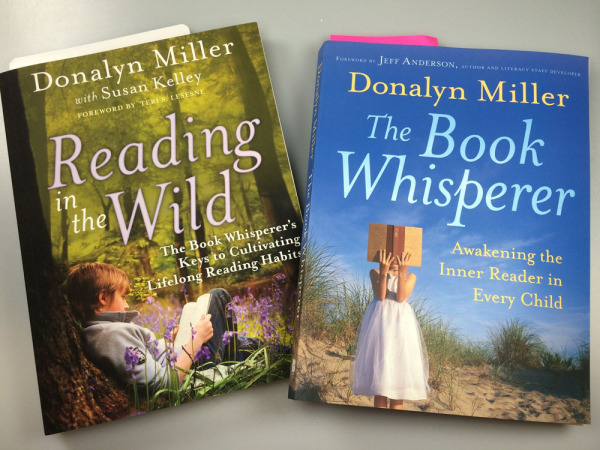
Reading workshop entails a great deal of things that teachers have to think about and apply in order to run an effecient workshop that will help lift students level of understanding and move them across Bands of Text complexity. However, we must also remember to build in a love for Reading. If we don´t establish that first the rest will not matter.
As a Reading Teacher who is truly invested in my job as a reading teacher, I am always studying, and investing in my craft. I become the go to to many colleagues and co workers. The one thing that is asked of me the most is: How do I confer with students and groups when they all are reading different level books? or Do I read every book students are reading to be able to help them level up? Especially since I moved to Middle school and told them it was possible to do Readers Workshop in MS instead of direct teach. So I decided to write a post to answer.
Here is a short answer to that. NO
However, what you need to make sure you do is understand what type of work is required at different levels of text as well as understanding the different genres characteristics students should pay attention to as they are reading. You have to reember that levels are for the teacher and not the students, Some teachers feel the need to level their whole library with Reading levels. However, research and many experts say that reading levels should be used for the purpose of planning to move kids to the next level, not to label kids. So yes, I would sort my books, but not label them all. Label some, and than use my previous blog to help you label the rest. How will you know the kids has chosen the right book? The easy answer to that is look it up. As I sort my library books, I also try to identify the levels of most, but it has become easier over time to look and determine their levels now. For those that are not able to do that do what I did in the beginning. I created a list of books and thier levels, I read the books provided below, and I spent time really working on setting up m library and understanding the Bands of Text Complexity.
So through my learning and studies, these books were offered as representative of the variousl text levels. What exactly will readers have to be able to do with these level of books?
FICTIONS
KLM--- Magic Treehouse
NOPQ-- James and the Giant Peach
RST--- Bridge to Terabithia
UVW--- The Lightening Thief
XYZ--- The Hunger Games
NONFICTION:
KLM- Sharks by Gail Gibbons
NOPQ- Shark attack by Cathy East
RST Sharks by Seymour Simon
UVW The Truth about Great white Sharks- by Cerullo
XYZ Shark Life Peter Benchley
So now you only have10 books you need to read. Read these and Pay attention to:
1. Genre and form
2. Text structure
3. Content
4. Themes and ideas
5. Language and literary features
6. Sentece complexity
7. Vocabulary
8. words
9. Illustrations
10 Book and print features
To understand and learn more about Bands of Text complexity, I highly recommend you read Jennifer Serravalloś Understanding Texts and Readers, , A Teachers Guide To Reading Conferences and Fountas and pinellé work. If you are working with UOS they have a break down of Text bands with these same title and other titles representative of the levels. You have to put in the work, If we truly want to inspire kids to read and move them across bands of text we need to be familiar with expectations in each band, read the books our kids will be reading, and become students of our craft.
What other questions do you have about running a Reading Workshop in Middle school?