Sunday, December 17, 2017

What's a teacher to do? Lesson Learned.

         In all my years of teaching, nothing has been harder then watching my own daughter struggle with Reading.  She is a June baby, so I didn't start her to school until the following year for developmental purposes.  Watching her struggle, overwhelmed me and frightened me due to the way the district viewed reading success.  So what do I do?  I step in with my 18 years of experience as a Reading teacher, my Reading Recovery background and Masters in Reading, thinking I could step in and do what is needed to move her.

Wrong!!!

         I did nothing but overwhelm her and get her even more frustrated.  My twenty one year old informed me that I make her nervous because she wants to do good for  and not disappoint ,"Mommy."  My heart ache but I persisted because I felt she was being over looked.  You know how it is as a teacher, you have issues in your class beyond control and you choose your priority and for me it seemed the excuses for behavior and developmental needs trumped the students who were ready to learn and grow.  So I asked for help.  I got suggestions, and I created in essence a classroom at home.  word walls,, math charts and ABC charts  covering my walls at home.  As the new school year rolled around, I was still at odds and worried for how she would do being so far behind and not really getting the support that i felt she needed.  I went to colleagues for support and  they had to just be frank with me.  With tears rolling down my face,  i reluctantly stepped back and entrusted that the next teacher would do what is needed to ensure she is meeting my daughters needs not trying to impress me.

         Beyond my believe my daughter went from a level C  to  a level H/I.  I was thrilled.  The teacher was amazing, she kept me informed.  I began to just listen to her read, and encourage her,  she began to relax around me.  I took down my classroom, to be met with her request to keep it up  I found out from my daughter that she was using it without me insisting as she walked down the halls she would stop and practice the charts.  Again tears rolled down my face,  I realized that my daughter didn't need a teacher at home she needed her mom. The teacher was honest with me and told me her concerns and issues,  she didn't sugar coat things because I was a colleague.  She respected me enough to say, "look this is what I see, this is what is going on, this is what she needs to do, and this is what I will do.  I was ecstatic finally someone who saw what I saw and wasn't afraid to call it like it is.

          She also told me what everyone else has been telling me for years.   It was so hard to not correct or instruct her,  i just encouraged and had her refer to the tools that her first grade teacher had provided.  This was far by the best school year of her life.  She no longer wanted to quit school. Yes, a 7 year old wanted to quit school.  She was so over being behind and struggling. She was clearly aware of her issues.  Yet her first grade teacher  made it a priority to address the needs of the learner in small groups and with chunks and with what she call a tool box.  I was so impressed and happy for my daughter.  She even wanted to read during the Summer.

       When my daughter  moved to Second,   it seemed she started to struggle again.  She did however move from an H/I to an L.  It was when she moved to the third grade that she seemed to fly.  The teachers on the intermediate side new me and new me my background and expectations so I feel like they new they needed to be honest with me and do their do diligence.  Long story short, with some great teachers placed in my daughters path she is now in the fifth grade on a level T and is liking to read where as she hated reading,  didn't want to go to school and  her self esteem was so low because she new she was behind and struggling and she felt she couldn't get it.  Her teachers were amazing they did what I would have done as a teacher with a below level kid whose motivation was low.

What's my point?

          As teachers, we need to figure out where our students are and meet them at that point.  We need to make sure that we meet the needs of all students not just some.  I too have behavior problems in my class, immature students in my class.  However,  I use morning meetings to address those issues and make sure I address the academic needs of my students in small groups.  I make sure to be honest with my parents, but have a plan of action in place to discuss and share with them.  It is our jobs as educators to never put one students needs above another.  We have to figure out how to reach all students.

So what is a teacher to do?

         Use your data to guide everything,  I do a lot of sorting and grouping based on learning targets and or skills based on the data piece that I am currently analyzing. I  find resources that will address that learning target or skill.  I develop a schedule to meet students based on level of need.  I make it a point to meet with below level students everyday!!!.  I pull bubble kids at least 3 times a week and above level kids at least 2.  The two groups that are always overlooked most often is below level and above level.  So what is a person to do?  Make sure I plan for all learners not leaving out any.


    I know that some of us have concerns about having disruptions that impact our abilities to do our job.  I know we do,  However,  it is important that you have expectations and routines in place.  It is also important that you are consistent and holding kids accountable for those routines and expectations. How do I do this so that I can teach?  I spend  a lot of time the first few weeks of school teaching and modeling expectations and walking students through routines.  We talk about the necessity of them, and what happens if they are not in place. We practice daily what it looks like and what it doesn't look like.  I make sure to inform parents of expectations via Newsletter.  I have a way to acknowledge on task and off task behaviors that I use with students and parents.  I utilize morning meetings to problem solve.  Now,  does this solve all the problems?  No.  Do I have disruptions that interrupt instruction? Yes.  However,  I choose what is important at the time.  I also revisit my expectations  throughout the year especially after long breaks or holidays.

My Next step.

I plan for my Below level Readers making sure to build their confidence up first by creating activities that will give them opportunities of success.

I plan for my bubble kids making sure to provide opportunities for students to read in class, to provide explicit teaching.

I plan for my above readers  by giving them opportunities to meet and collaborate via Book clubs/Literature circles.

I create took kits for each of my groups

I create progress monitoring tools for  each group

I use mentor text and notebooks to teach and model from

I make sure that I have books that represent all reading levels.  If I don't have books, I go borrow from colleagues, check them out of our library or  go to the public library.  No excuses.


    I know that some of us have concerns about having disruptions that impact our abilities to do our job.  I know we do,  However,  it is important that you have expectations and routines in place.  It is also important that you are consistent and holding kids accountable for those routines and expectations. How do I do this so that I can teach?  I spend  a lot of time the first few weeks of school teaching and modeling expectations and walking students through routines.  We talk about the necessity of them, and what happens if they are not in place. We practice daily what it looks like and what it doesn't look like.  I make sure to inform parents of expectations via Newsletter.  I have a way to acknowledge on task and off task behaviors that I use with students and parents.  I utilize morning meetings to problem solve.  Now,  does this solve all the problems?  No.  Do I have disruptions that interrupt instruction? Yes.  However,  I choose what is important at the time.


As  a reading teacher,  we have to remember that in order for students to learn to read they must enjoy reading.


Sunday, November 26, 2017

I teach fourth grade Reading, but my students read on second and third grade levels

Does this sound familiar?  So often we go into education with a closed mindset.  We believe one thing and experience another thing.

So what is a teacher to do when this happens.  If you were like me when I first started I was trying to teaching them using fourth grade material and then wandering why they are still struggling.  Well as the years unfolded, I learned better and I now do better.

I realized that being a teacher is not an easy task and requires lots of work, planning and modifying and adjusting  along the way.  I begin to study and learn and ask questions.  Everyone had advice, everyone had resources to give, everyone told me to press on.  I knew this was not the answer.  After much learning, research and reading on my own.  I had the privilege of being connected to some of the best facilitators and mentors.  I will never forget how one day as I was sitting complaining about how I was suppose to teach fourth grade curriculum to a child on a second grade level, my mentor looked at me and said, by teaching them using second grade  resources to teach the fourth grade skills.  

I grabbed my pen and paper and readjusted my thinking.  I used the students Formal Reading assessment and let it guide me.

1.  What is the child able to do?  
2.  How can I use this to help with what he/she is struggling with?
3.  What resources do I need? 

Number three  is where the work comes. As a teacher,  it is our job to provide differentiated instruction where and when needed.  Reading is an area that requires this more often then not.  So what do? I grouped the kids by Reading level first. Once I had groups formed the work began  If students were reading below grade level expectation they were grouped into Guided Reading Groups where others may began Book clubs.


The book clubs are easy.  I find 2 or 3 books and the students choose which one they want to read.  I create a Bingo Board response board they use to guide them.  I make sure to show videos that represent students engaged in Book club discussions.  Once I set expectations and model for students.  I don't just leave them alone.  I closely monitor and participate in the book clubs the first go around to make sure that they understand the expectations so that the next book they are able to run their groups with less scaffolding.

So back to making sure to meet learners where  they are.  How do I help the below level students? So where do I get these resources from if students are below level?

Guided Reading Resources  can be pulled from the grade level in which students are performing.  I often go to below grade level  teachers for resources, or even view their Reading Curriculum  I analyze their strengths to build students up and their weaknesses become my teaching point.  Lots of scaffolding and modeling is necessary.  Remember we need to do the work that we expect the students to do in order to see what the possible pitfalls may be or just to experience  what I kids experience.  Keep in mind they are below level so their frustration is probably 10 times what we are experiencing. One thing is to make sure to pull books that represent their independent levels.  You want them to feel success.  The instructional level text is where you as the teacher need to model and scaffold.  Lots of visuals, and repetition may be needed.  Make sure to give feedback to monitor and adjust daily. 

So where will I get these books that I will use?

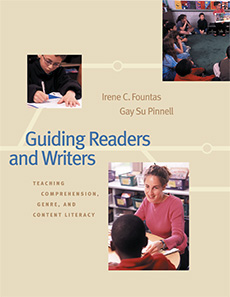
Well, We are fortunate enough to have a Guided Reading Library that we go to pull sets of books from. If we can't find it there,  we ask our facilitators and they go pull them from our Primary sides Guided Reading Library.    If you don't have such a library,  you can always use other resources to guide you,  Here is one such  great resource to have on hand is Fountas and Pinells Guided Readers and Writers resource and Jan Richardson;s Next Steps to Guided Reading.  If your struggling finding books to use with your students again go to your colleagues, pull from their class libraries, go to your librarian.  Ours is awesome at recommending books, look at scholastic book order forms, search the wide wide web.  You can always find resources.  The most important part is not to say the students can't do the work,  just have them apply the skill or strategy to a text that is on their level and work to move them a year and show growth.

Here are the resources that I rely on daily:


Another great resource is  the Text band descriptors.  These resources provide characteristics of books at various Reading levels, what students who are on the level should be able to do.  This will allow you to further analyze exactly what your learners can and can't do.  You will  often see that sometimes you are constantly switching between grade levels depending on the skill or strategy.  One thing that Reading teachers need to know that the goal is for students to have access to books, time to read those books and direct explicit instruction on how to process the text. 

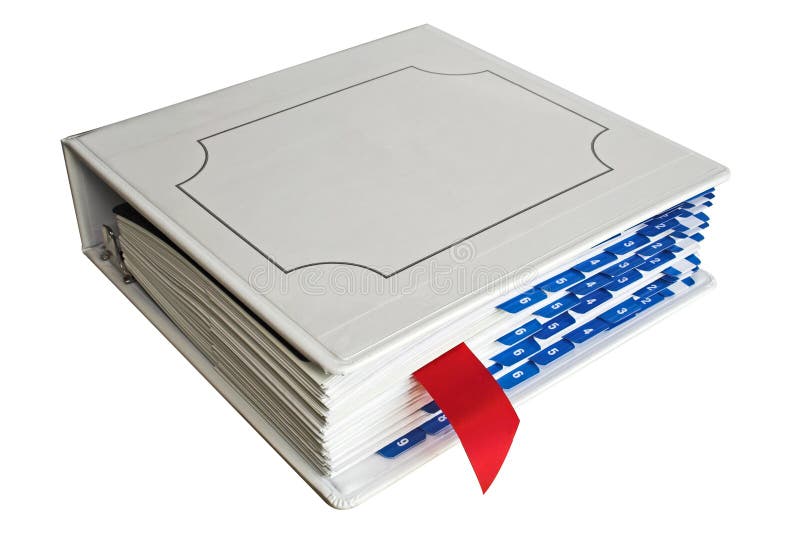
As a Reading teacher, you also need to make sure you are keeping track of students progress, and needs.  Check out my previous blogs that talk about how to setup a Reading Binder.  I have a binder for each Guided Reading Group.  As well as a binder for Strategy groups.  I have a section for every child.  I do biweekly progress monitoring, confer with every student at least once during the week, but I also make sure to pull small groups daily.  I use Read  Alouds to introduce skills, and develop activities around those Read Alouds.  I share those Read Alouds via my TPT page.  If you would like to access them or check out the free resource to determine if they meet your needs click on the link on the right side  bar.  


Sunday, November 5, 2017

It's the holiday season and the kids are restless.  They are ready for a break and so are the teachers.

What should I do to wrangle them in and get them focused?  Well go with the madness.  I know that sounds crazy.  Do you want to join me?

Here is my plan of action:

I went to the library and found some of my favorite holiday Read Alouds:

Thanksgiving:
Twas the night before Thanksgiving
Thanksgiving is for Giving Thanks
Beauty and the Beaks:  A Turkey's Cautionary Tale

Christmas:
Polar Express
Hershel and the Hanukkah Goblins
Seven Candles for Kwanzaa
The Night Before Christmas

I than found poems, created a variety of puzzles using Puzzlemaker.com and I found Mad lib activity pages, I plan to develop  writing prompts using the Read Alouds,  I plan to allow the kids to make ornaments, we will create turkey frames for our writings.


I know your wondering how am I going to do all this and make sure I am still teaching.  Easily.  First off let me say these will be interwoven into the existing curriculum. So For every book I read,  I can create comprehension questions around, I can come up with Tier 2 Vocabulary, while look at words the author used on purpose.  All of these words will be used for the puzzles I create. 

I am able to teach Compare/contrast, Character analysis, Theme, Inferring, Cause/effect as well explore Story Elements. I am sure with the exploration of the text I will be able to teach and Review Grammar skills such as Capitalization, comma usage, Quotation usage, Possessive forms, plurals and contractions.  Writing is a given,  so many prompts can be developed from each book, free writing possibilities and Poetry.  I will get a little Social Studies' Culture and  Geography activities and let's not forget we can also incorporate Math concepts, Art and Music concepts.

As a teacher of Reading, I realize that the possibilities are endless with any book whether it is a picture book or a chapter book.  You need to make sure that you read the book first and really think about what your going to do with the books.  Think about how you will still teach content while celebrating and engaging in holiday activities.    A comprehension packet stuffed full of lesson plans that cover all subject areas, activities, and crafts is on the horizon. Meanwhile  check out this freebie:  Hit the MrsEduc8te's TPT  link on the side bar to access it and much more.


Are you ready for the holiday madness?  Do you have a plan of action?  Are yo ready to nurture and love on our kids.  This is the time of year behaviors kick in because of instabilities at home and the fear of the unknown, so being flexible, take breaks, give a smile, lend an ear.  Most of all remember school is some of our students safe zones.  The thought of going home and not having a place to go to is scary for some and they only know one way to deal with that emotion.  So the routines are important, the structure of your day is important and that is why I say that content needs to continue to be taught and is applicable while you incorporate some holiday spirit into the atmosphere.


Sunday, October 22, 2017

So I am a teacher Now what?

How to tackle this beast called Teaching?  What do I need to do?  How often do I need to do it?


1.  Take your time and make time, with limited or no distractions..
2.  You need data, observational notes, checklist, assessment, student journals,  Curriculum unit materials, sticky notes, binders, journals.
3.  Planning is a daily thing

This beast requires lots of time and planning.  For me, my planning starts on Sunday what about yours?
I have a daily routine. I try to  stick to in order  to tame this beast call Teaching..  Even though we try not to, we all know that once Sunday hits, we are in teacher mode again.  So it begins.  I wanted to share the method of my madness.  Do you have a plan of attack?  My plan is not full proof, but is adjustable and it works.


#StartupSunday

What are the lessons for the week?   I read through each lesson plan, taking note of these things:

 1.  What is the learning target I am trying to reach?
 2.  What will I use to teach the target (Mentor Text)?
 3.  What is it that my kids should be able to do at the end?
 4.  How will I know when they reach it?
 5.  What will I do for the kids that don't master the skill/strategy?
 6.  How will I extend the learning for those that have reached the target?

The second part of my planning  starts with the Read aloud:

------I read the text and mark parts where I will think aloud and model the strategy.
------I make copies of any handouts that I will give students to have as exemplars to refer back to while working independently.
------Based on observations from the mini lesson,  I decide which students to pull that day,  which students I will pull to  reteach (Remember to reteach using a different teaching strategy.)
-------I will  pre-make parts of my anchor charts,  leaving parts to make with the kids. (Sometimes I have them totally made out ahead of time.)  However,  We create one together, and I put up the one that I pre-made.
-------What activity or response will you have students to do at the end of the lesson?

#MasteringMonday

I have taught my lesson today and now it is time for me to reflect.  I may be reflection on the lesson of the day or the past week.  I find a spiral to use for this purpose.  I  write down what i did, what the kids did, what I observed, what went well, what didn't, what do I think my next steps will be.   I sometimes  group students on sticky notes into strategy groups. Another thing I do is  look at students responses and sort them into categories:   Not met, Approaching,  Mastered.  I further study these categories and  look at the students strengths and weakness and plan lessons around those areas.  I also create check points to see if kids misconceptions are clearing up.  This helps me to really organize my thoughts and to plan for the next day even though I planned for the week on Sunday,  It changes everyday.

#TipTuesday

Use this day to gather Read Alouds to reteach, or introduce genres to students to get them to make better book choices.  We have to remember that Reading Independently is the most important part of the workshop.  So I create baskets of teacher's choice.  I read aloud books by my favorite authors and create baskets with other books by that author.  I  spend class time reviewing results, conferring and modeling to move kids further toward the learning target.
#WackyWednesday

We all call this hump day.  It's the day our energy starts to dwindle down,  we just want to make it through the day.   So push yourself to do more small group teaching.  I pull guided reading groups, strategy groups and even pull 1 or 2 students that needs at the opposite ends of the spectrum of the learning target.  I pull and access journals and make comments.  As I trudge through this day, I also make sure to continue with the lessons from the unit and tie them together in my small groups.  This is the day where you have to really  flesh out your lesson plans.  What is your teaching point? What is it I need to do next or redo?

#Testing Thursday

This is usually the day where I do informal and formal assessment depending on the learning
targets and the length of time we have spent on a particular skill or strategy.  I come up with my one quick formal assessment  for Reading, for writing  I usually focus on the grammar lessons and their ability to apply lessons objectives to a quick write over a Read aloud.  I do formal and informal Running Records in my Guided Reading Groups.  If I don't engage in testing, I look over and analyze anecdotal  notes that I have taken so far for the week.  These anecdotal notes allow me to plan for Friday and even the following week.


#FinishupFriday

A day for planning and reevaluating how my lessons went for the week.   I have conferences with the students and take anecdotal notes sit down and look at what I got accomplished, how it went, problem solve next steps or reteach possibilities.  I find the Read Alouds I plan to use for the lessons that I plan.  I red them and mark spots to where I will stop and model skills and strategies that I wish kids to use.  I start looking at students reading journals and writing journals looking for trends whether they be positive or negative.

I give feed back in the students planners as well.  This usually goes into the weekends.  I can usually get through half of them because I am a nerd,  and I am at work till 5 or 6 most school days,.  I will either take them home or make a point to come back to the school on Saturday and work on them.  You will be amazed at the data you can glean from students journals.  I am able to see what students are  or are not doing,  I am able to determine the types of responses that students use the most and the least.  I use these as a teaching point for the whole class.  I usually do voice overs based on my analysis during independent reading or Reading conferences.


As teachers,  we are constantly planning, reading, preparing and gathering material to teach.  Create  a plan, follow through with it, but take note each day leads to new development so be flexible with the plan.


Saturday, October 14, 2017

Making the Most out of Reading and Writing Workshop

Are your having trouble getting students engaged in independent reading and writing?  I know I have. So what is a teacher to do?

Here are eight tips that have worked in my classroom to get disengaged readers engaged:

1.  Introduce Audio books  
2.  Introduce Children's magazines
3.  Do  book trailers
4.  Create  a book recommendation basket or wall.
5.  Introduce comic strips
6.  Have visitors come in and share their favorite books
7   A Teacher's choice  basket-
8.  Introduce Series
9.  Build up your Graphic novel collection


My kids love these magazines,  I try to find magazines about animals,  and sports for the boys who are usually my most reluctant readers.  

Are you looking for new books to share with the class?  Check these out?
  1. Ellray Jakes  By Sally Warner
  2. Stink Series  By  Megan McDonald
  3. I Survived Series  By  Lauren Taurshis
  4. On the Run Series  By  Gordon Kormon (He has several more Series)
  5. The Missing  Series  By Margaret Haddix
  6. Hank Zipper  By Henry Winkler
  7. Mallory Series  By   Laure B Friedman
  8. The Camp Confidential Series   By Melissa J Morgan
  9. The Sword Girl Series  By Francis Watts
  10. The Naughtiest Girl Series By Enid Blyton


Check out my Pnterest boards,  lots of ideas to scroll through for resources to use in the classroom:

https://www.pinterest.com/Educ8te/


What do I do for my reluctant writers?

1.   I create writing bingo boards
2.   I create monthly or holiday writing journals
3.   I Allow kids to record their stories using a tape recorder or online program
4.   I have the students create journals they can take home and write in daily
5.  We write stories together.
6.  We do lots of oral story telling.


The one thing you have to remember is to provide time for kids to be able to read and write in class daily. I allow them to enter in the morning and free write or read  until morning announcements start.  Students know that anytime they are done with independent work they may do either of the two during the day.  Now that I am self contained.  I make an effort to provide this time.  I have control over this, not home.  We know that the only way kids get better at anything is by practicing it daily.  So I have made a habit of also sharing my own reading and writing life with the kids.  I show them  the books that I read beyond my content area Teachers guides and resources.  I even brought some of my personal journals up flipped through them over the document camera.  I even read entries from them  I encouraged kids to keep journals at home that they can reflect in daily.  I talk them about how it is important to get the details and feelings down.  I have seem a lot of improvement in their content area writings.  The students make journals using construction paper or some times I buy the small little journals and pass out to students.   

 I give suggestions for types of entries such as:

1. Reflect on your learning for the day
2. Reflect on your behaviors for the day
3. Reflect on your dreams, desires
4. Vent about problems or struggles you are having.
5,  Make list 
6.  Record quotes, sayings, 
7.  Draw pictures

The goal is just to get them generating ideas and to create a habit of writing and reading in the students.


Saturday, September 30, 2017

Why am I testing students so much? How to prepare for whole group and small groups using my Data

The school year is in full swing and things as usual are moving at a fast pace and comprised of lots of testing.  My first four weeks started with  Preassessments,  What about yours?  We do Map Testing, a Reading  level Test, Writings on Demand, Reading unit Preassessments for units of study and spelling test.  To add to this already chaotic two weeks,  we finally had cycled  around to going swimming at the beginning of the year. So here we are the third and fourth week of school  swimming at the beginning of the year.  To say the least we didn't start truly teaching until around the fourth week of school.  The first two weeks were routines and procedures, third and fourth week swimming.  We have a big team, so three teachers went one week and four went the next week, so we were able to do some instruction just with one of our rotations.  Then reestablishing routines and procedures  and catching our second rotations up was a daunting task.

So why do we test kids so much?  It is overwhelming to not only the student but the teacher.  That was my thoughts when I first started teaching.  However, as a seasoned teacher I realize just how important it is for  us to give student assessment.  It drives everything we do.

1.  It provides  you information about students as testers:  you can determine if students have strategies when attacking certain types of test, you can observer their stamina  during the test.

2.  It gives you information on the needs of your students:  you can use data to inform your small group and whole group instruction.

3.  If your school does portfolios for students that are passed from grade level to grade level you can use it as a comparison tool.

4.  Helps you to set goals for yourself as the teacher and the student.

The main thing I realize that analyzing all of this data takes time and if your a self contained teacher like I was left year it took at least a week to look at analyze results.  I would start assessments early to be able to have 4 to 5 days to analyze which would include the weekend. This year we were hit with an additional Map test that further sucked up instruction time and gave me more data to analyze.

I really understand that data is necessary, but doing it all at once can be overwhelming for a veteran teacher, so I feel for the new teachers.  How do you balance doing all of these assessments and keep up with the pacing of the lessons.  It is almost impossible. That's another topic for another day.

DATA

Where do I start?  How do I use it?  what do I teach whole group vs Small group? How do I organize it all?

How do I organize it all?   This is the first step. Here is what I have used  during the years.  A binder with dividers, a binder with dividers with pockets, and sometimes just a vanilla file folder that is organized in a basket.  I usually start off with a binder for all students,.  I just place data in the binder until all testing has ceased.  I then  go through and separated it. This year it is separated by AM class and PM class.   Each rotation has a notebook.  I placed students names on the tabs in Alphabetical order usually by first names,  I  know that is weird, but that is my way, most teachers probably do it by last
names.  After I analyze the data, I place it in the binder to have a central location for all the data.
.


Once I have establish how I will organize things things I always analyze one set of  assessments at a time for both rotations.  I take the data and I separate it by assessments:  Fountas and Pinell Reading level assessments, Reading PreAssessments,  Writing on Demands, Spelling assessments.  Map assessments:  Reading  and Language ( new this year) and I also use previous years STAAR results.

This is where the process gets intense and may become overwhelming.  This is my method of analyzing data, think about what works best for you.  You might want to do one set of data a day.  I choose to do all of mine back to back.  I often start with the easiest tests.  The previous years STAAR results and Spelling.  I teach fourth grade so I only have to look at their Reading Results.  I write the names of the students whether they passed or failed and list the Standard that represents their lowest score.  I analyze the spelling assessments for stage of spelling  and then group the assessments accordingly.  I  using a  spiral to  record groupings and data results easier than   having to lug the binders around to meetings or during groups.


I then look at the Map assessments and look at their strengths and their weaknesses.   I group them according to the Weakness noted on the Goal sheets that I print out to put in their portfolios. I then sort students by Reading levels.  However withing Reading level goes a lot more analysis. Another post for another day.  These were the easy assessments to analyze and group now depending on what programs you use the Reading and Writing will take you the longest.

We are using Lucy Caulkins UOS for both Reading and Writing. The  Reading preassessment are based on writing about reading in regards to four skills.    I sort the  responses by questions because each question is based on a particular skill.  I then use the Progression to assess the quality of the responses.  If you are familiar with Lucy  she used  grade level expectations and criteria expected for each level of response.  Once I separate by  responses,  I began to analyze each question.  I usually do Reading one day and writing the next.  My eyes start to cross with all of the reading required.    I realize that within each question the responses vary from low, medium and high.   For example:  If  3 people are not quite a 3 they are different levels of a 2.  This usually takes me about 1 to 2 hours.  I do this on the weekends, yea  I know why not after school, or doing the week.  It is a personal choice.  I know the weekend I can focus more and get more accomplished.    Once I have sorted, and assessment I group kids by question and skill.  I record in my handy spiral.

The next assessment is the Writing On Demand.  We are looking at three areas,  Development of ideas, Use of Language and Organization.  I group kids accordingly.  Again this can become tedious because kids will  most likely be weak in more than one area.  I write the areas down in my spiral along with students name.

Once I get all my data sorted, analyze and recorded. I will  go back and look at all the data and determine  groups and set up a calendar of when I will meet with each group.  My goal is to meet with low level learners every day,  bubble groups at least 3 days a week if not 4 and above level groups 2 days a week.  The next step is  deciding what skills will be taught whole class vs small groups.  Small groups are further divided into Strategy and Guided.  I then  find the materials to use for  both my small groups and my whole group instruction.  This is another part of Data collection that can take a minute, You have to make sure to pick quality material that will meet the learning targets you deem needed for students according to groupings.

Remember to always have data handy you want to make the most of your time and you want the instruction to meet the needs of the students.

Possible materials to Gather for Reading and Writing

Mentor text to teach skills
Books for Guided Reading
dry erase boards, markers and erasers
highlighters
comprehension and decoding book marks
ABC  and Blend charts
Chart tablets
Exemplar text
sticky notes
sentence strips
pocket charts
timer
Blank copies of various graphic organizers
Activities/lessons for the rest of the students to be working on while you pull small groups


For me,  students who are not being pulled will engage in independent reading and responding to text, or generating writing entries in their writing journals.  The only way kids get better at reading or writing is to be reading and writing.   I try to avoid giving them fluff or worksheets to work on during this time. It is amazing what you can glean from students journals at the end of the week.  I usually look at journals every Friday and just jot down some notes, it informs my next week teaching, small groups and conferences.All of the assessments are then placed inside of my Data binders according to AM and PM classes once I have established my groups.

Looking for more information on how to use your data in Reading, or how to analyze Reading Fountas and Pinell assessments to plan and implement small groups,  Check out my next blog post.


Sunday, September 10, 2017

Reading Workshop: Reading and More Reading.

What is a teacher to do?

       Teachers have to make time for kids to be able to Read in class. So what is a teacher to do to make sure students are doing more Independent Reading than sitting and listing to the teacher talk?  What needs to happen?  What do I need?  Where do I start?

      I have learned  come to learn that a Mini lesson is just that a Mini lesson only meant to be 10 minutes.  I had and still have a hard time sticking to  ten minutes.  I have had timers over the years not to use them, or reset them because I felt I needed to get my point across.  Yet,  after many Professional Development  classes.  I realize that most of a teachers teaching should be through Small Group Instruction or through Conferring.

     I have come to realize this  is a hard task.  I have to make a conscious effort daily do to this.  Our team is doing a different type of switching this year, where we all have to be ready to switch at the designated time or your throwing someones instructional time off.  So with three rotations, I have to be strategic with my planning and implementation of those plans.   So the pro side of this, I have to stick to my schedule.  The con side of this, I have to stick to my schedule. Therefore,  I have to be very conscious of my time this year.

How do I do this you ask?

      I look at the Learning Targets of my Reading and Writing curriculum and think about how best to insure that the target is introduced, modeled and practice during the mini lesson.

      I make sure that I practice the lesson and actually time myself.  If necessary I prune somethings.  I may even video tape it and watch it to see how I am presenting the material.  My daughter thinks I am crazy.  Every weekend this is my routine,  she enters my area because she hears me talking and wonders what I am doing.  She ask questions and throw me off, so I tend to draft her for the student body.  She now ignores me when she hears me talking to myself.  However, as she is older now she is able to time me and tell me if I sound like I am rambling or being specific.  I tell her what my point is and she tells me if I relayed it.  I still watch the video though.  So if you need to practice your presentations these are a few ways to do so.

       I often find I am too wordy or doing to much talking and need to involve the kids more especially during writing and I am able to re plan.  Now, do I do this all the time?  No.  I can't say that I do. Another way that I try to tell if  I am within my time frame is I think about the concept.  If it is concepts such as Main Idea, Inferring  and Summarizing.  I have to know that this will not be masted in one day. For that matter, as teachers we have to realize that none of our content is mastered in one setting.  Some are not master in a week.  It is like a cycle with no beginning or ending.  You will always come back to the topic.  I say this to give you comfort and let you know it is okay to move on to the next skill or strategy before everyone is able to master one. I say all this to tell you that I a had to re adjust my teaching style to make more time for what is important, providing time for kids to read in class independently.

      The goal of Reading and Writing workshop is for students to spend the bulk of the time Reading or Writing.  So once teachers have present the mini lesson, sent the students to try what they have taught. That  is when the real teaching begins.  You observe, you intervene and model, you pull small groups and you teach the student not the content.


       So to build a students Reading life you have to expose them to books and your own reading life.  The classroom library is the most important tool in your classroom.  You need to have a variety of books for students to choose from and read.  Make sure to give students opportunities to explore the library as well as let them help label some of the book baskets. There are a lot of things I teach, model, practice and discuss in order to get Independent Reading started.

Such as
1.     The difference between Fake Reading vs
         Real Reading
2.      How to choose books?
3.      How to use the library?
4.      How to build Stamina and endurance?
5.      How to read with accuracy and fluency?
6.      How to Read with intensity?
7.      How to monitor their understanding of
         what they read?
8.      What to do at point of confusing?
9.      How to figure out confusing words?
10.     Making book recommendations
11.     Share my own Reading life
12.     Setting Reading Goals with plan of
         actions
13.     Doing weekly reflections using Reading
          goals and logs
14.     What does Independent Reading look like
          and sound like?
15.      Purpose and use of Reading Nooks

          My first goal though is to make sure that students are  independently reading daily for at least 20 minutes a day.  Which is what it usually ends up being at the beginning of the year,  I say this because at the beginning you are setting up routines and procedures, organizing supplies and trying to get to know your students.  It is important to get to know them if you want to  be able to help them become strong readers.  I do a lot of Read Alouds where I model expected reading behaviors of students.  I have the kids discuss what they notice I do as a Reader and we create an anchor chart of their responses.  We do eventually build from 20 minutes to 25 then 30.  We stay at 30 for a while because we began to get further into the curriculum and sometimes the Mini lesson goes 15 minutes.  I want to make an effort to pull 2 or 3 groups a day regardless of the length of the lesson.


So why small groups?

        Small groups allow you to gear your teaching toward the student and not the curriculum.  It is more focused and individualized.  I Base my groups on Formal and Informal assessments, student journals, reading logs and anecdotal notes you have a clear understanding of what each child needs, so your able to create specific lessons to meet those needs. Your small groups can be Guided or Strategy depending on the needs of the student and the grade level.  Most research says that Guided Reading ends at third grade.  However, I don't know about you but I have kids that  come to me on varying Reading levels.  I have found myself having readers on a Second grade level in the Fourth grade.

       As a new teacher,  I didn't know how to handle this, school didn't prepare you for this straight out of college.  However over the years,  I've learned that you go pull materials from those grade levels.  I literally go look at the Reading curriculum of the grade level I need.  I meet them where they are currently and scaffold to get them where they need to be or at work to ensure one years growth.  Don't be scared to go down to the lover grade levels and ask for resources.  Our curriculum is on line, so if I need material for my below level students I have access to it.  These students I meet with daily. However, don't forget they need to read independently as well.  The rest of the students I meet with are strategy groups, based on data or even mini lessons I notice they fail to grasp.

     Another thing teachers need to make sure they do daily is  confer with readers. Make sure to reach at least every student every week.  I shoot for 5-7 conferences and 2  groups most times.   I  allow them to discuss and share books because they can learn and grow as readers with each other.  This is the perfect time to provide a teaching point with students, listen in for oral reading, ask questions about books their are reading, assess where they are in regards to monitoring of their reading goals.

      As they get ready to independently read, I teach them that readers always have a stack of books close by to waiting to be read. I demonstrate this by showing kids my own reading life basket.  In my  display area I have baskets of books  I am reading, want to read, want to read again.   I talk about my stacks that are around my house. I let them explore how I monitor my understanding of what I read.  They are able to see how I write  and underline in my books.  We discuss why I do this and then set expectations that they will do this in journals or sticky notes not directly in the books.

Created a table to demonstrate my reading life to my kids as they were getting ready to create their Reading identity pyramids.

        Reading, Reading and More Reading

       I connect how important Reading is to their lives.  I demonstrate my passion for books using my own Reading life,  through Read Alouds, book trailers and asking others to come share their reading lives.  We created a Reading Record board and talked about monitoring the number of books we read monthly.  Although I want them to read for the love of reading, we have a competition between rotations now to see who can read the most books or recommend the most books in class.  I hope to involve parents  as well.  I will be starting Scholastic Book orders soon so kids can buy books this year.
My goal is to provide as many opportunities as possible for students to access books, I even hit up my daughter's library in her bedroom with her approval and added books to the treasure box.


How do you plan to engage students in Independent Reading daily so that they will want to always be Reading?